1. Survey the space
The crew checks the whole property, including closets, vehicles, sheds and bathrooms where items may be tucked away.
Livingston, TX · Polk County
Worried about what a few pipes and baggies might have left on the floors and furniture? Call (877) 812-4220 in Livingston. Cleanup crews remove the items and treat surfaces where residue may remain.
If anyone is in danger, call 911 first. For a suicide crisis, call or text 988.
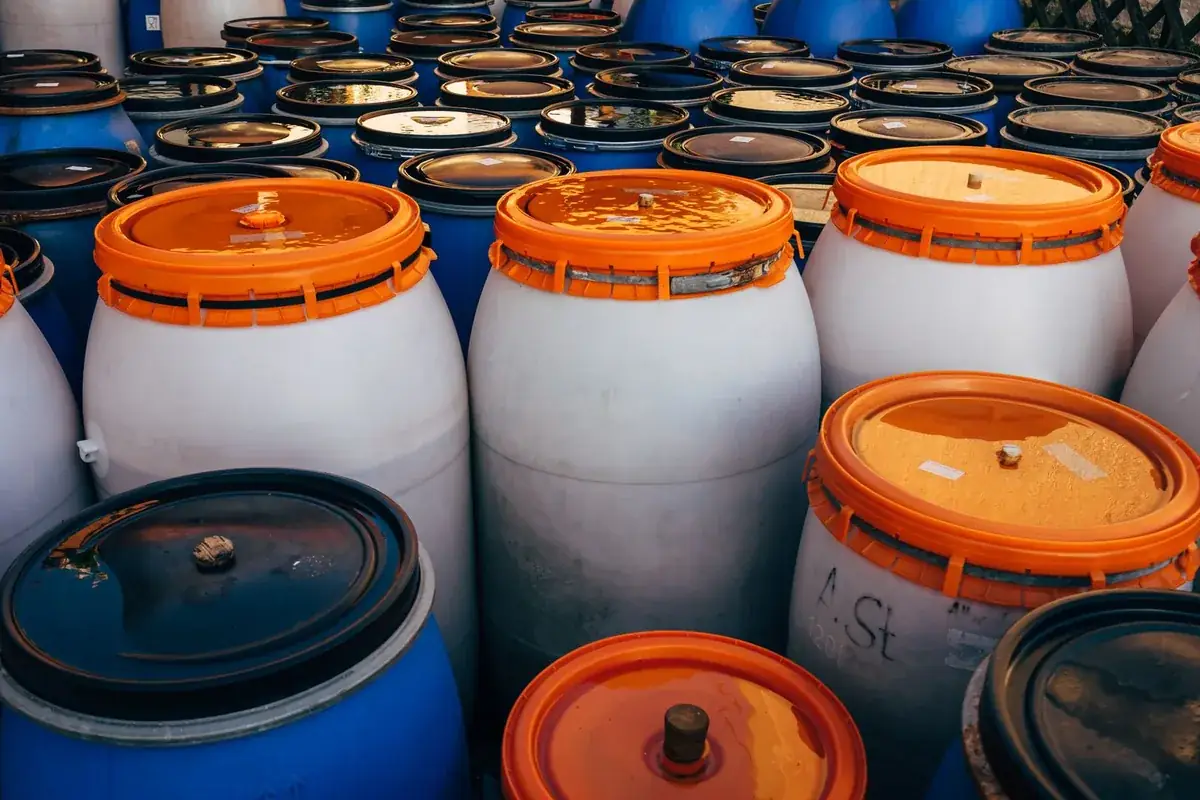
Biohazard cleanup for drug use covers removal of contaminated items, decontamination of surfaces, disposal of soft materials that cannot be cleaned and treatment of lingering odor.
If you run a hotel, motel or small business in Livingston, you can get focused cleanup of rooms and restrooms where drug items were left behind. Call Livingston Biohazard Cleanup Help. Crews work quickly and discreetly across Polk County.
Renters make up about 50% of households in Livingston, so landlords often need paraphernalia cleared between tenants. To find out whether a property in Polk County has been released, ask the Polk County Sheriff's Office or the local police. Cleanup begins after that.
A typical drug paraphernalia cleanup job includes:
The crew checks the whole property, including closets, vehicles, sheds and bathrooms where items may be tucked away.
Needles and other sharps are lifted and sealed before anything else is moved.
Floors, furniture and fixtures are cleaned. Porous materials that hold residue are cut out or removed.
A last pass checks for missed items, and the owner receives guidance on next steps.
The cost of drug paraphernalia cleanup in Livingston, TX depends on the amount of material, how it is packed and how it is hauled.
A site where drugs were manufactured needs testing and a different plan. If that applies, the scope and price are different from standard paraphernalia cleanup.
| Type of job | Typical range |
|---|
Figures are planning ranges from , not a price for any specific Livingston property. Price drivers include amount of material, whether residue is present, surfaces affected, waste disposal. Call (877) 812-4220 any hour.
Often, yes. Many teams can arrive in an unmarked vehicle and work quietly. If privacy matters, ask about it when you call. The crew shares only what it needs to plan the work.
Crews wear protective gear, remove sharps and loose items, and then clean hard surfaces with EPA-registered disinfectants. Porous materials such as carpet, padding or upholstery that took in residue may be removed. The team can explain what applies to your space.
Do not touch, sweep or smell it, and do not try to clean it up first. Keep children and pets away. If anyone touched or swallowed it, call Poison Control, or 911 in an emergency. Then call a cleanup team to remove it safely.
Wash the area with soap and water and get medical care right away. Call 911 in an emergency. Poison Control can answer exposure questions. Tell the doctor what happened and where the needle was found, if you know.
Syringes and other sharps are lifted with tools, placed in rigid puncture-resistant containers and sealed. They are hauled as regulated medical waste to a facility that treats it. In Texas, haulers of other people's untreated medical waste register with the Texas Commission on Environmental Quality (TCEQ).
Loose syringes should never go in household trash, because they can stab sanitation workers. Other items may carry residue. A cleanup team seals and disposes of everything the safe way.
If anyone is hurt or unresponsive, call 911 first, then call for cleanup.
Call (877) 812-4220